Guiding strangers into hard conversations
Three years as a trained guide and cultural mediator for a national dialogue project: school groups, workshops and certified courses in communication and mediation, all over Switzerland.
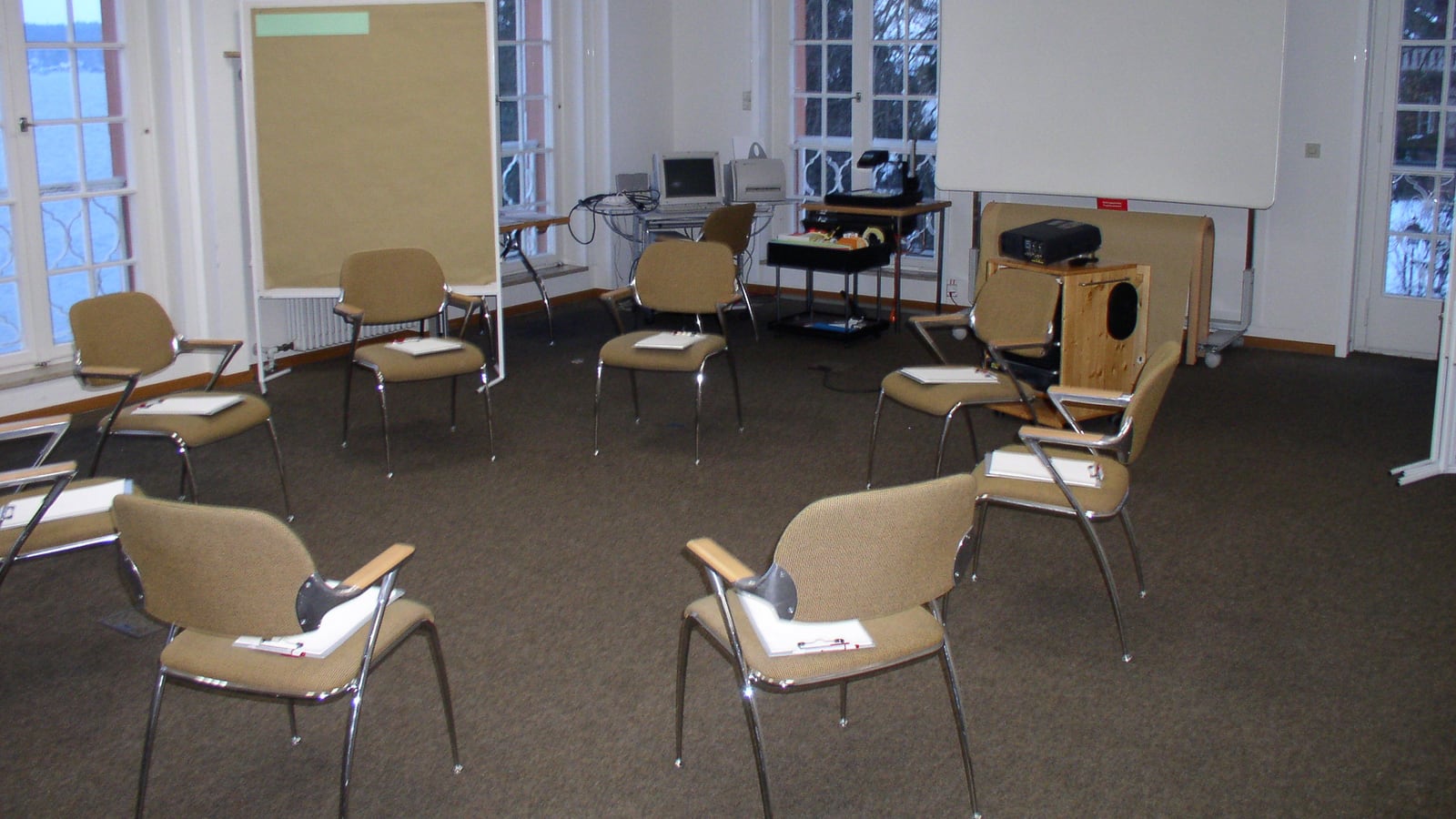
For three years I was a guide and cultural mediator with a national project run by IRAS COTIS, an umbrella organisation that puts school classes and young people in the same room as parts of Swiss society they’d usually only read about.
The format was simple and the execution wasn’t: take a group of students, bring them somewhere unfamiliar, and hold a conversation that could go wrong in a dozen ways. My job was to keep it honest and keep it safe, then get everyone home with more questions than prejudices.
The project took its guides seriously. We received certified courses in communication, mediation and coaching, ran our workshops under supervision before running them alone, and travelled across Switzerland to do it. I also ended up owning the unglamorous side: the planning boards, the documentation, the logistics that make a travelling program survive its own volunteers.
What stayed
Two things. First, a toolbox: how to open a difficult topic without lighting it on fire, how to give a group silence to think in, how to end on something people can take home. I have used every one of those tools in meeting rooms since.
Second, a conviction: most tension between groups of people survives on distance. Put actual humans at conversation distance, with someone to hold the frame, and the temperature drops. It’s not magic; it’s logistics and patience. I’ve seen it work too many times to be cynical about it.
Cover photo: Mummelgrummel, CC BY-SA 3.0, via Wikimedia Commons; cropped.