First responder, on call for the bad ten minutes
A trained first-aid volunteer with the Samaritans, the Swiss network that staffs first-aid posts at public events. Most of a shift is quiet. The job is what you do when it suddenly isn't.
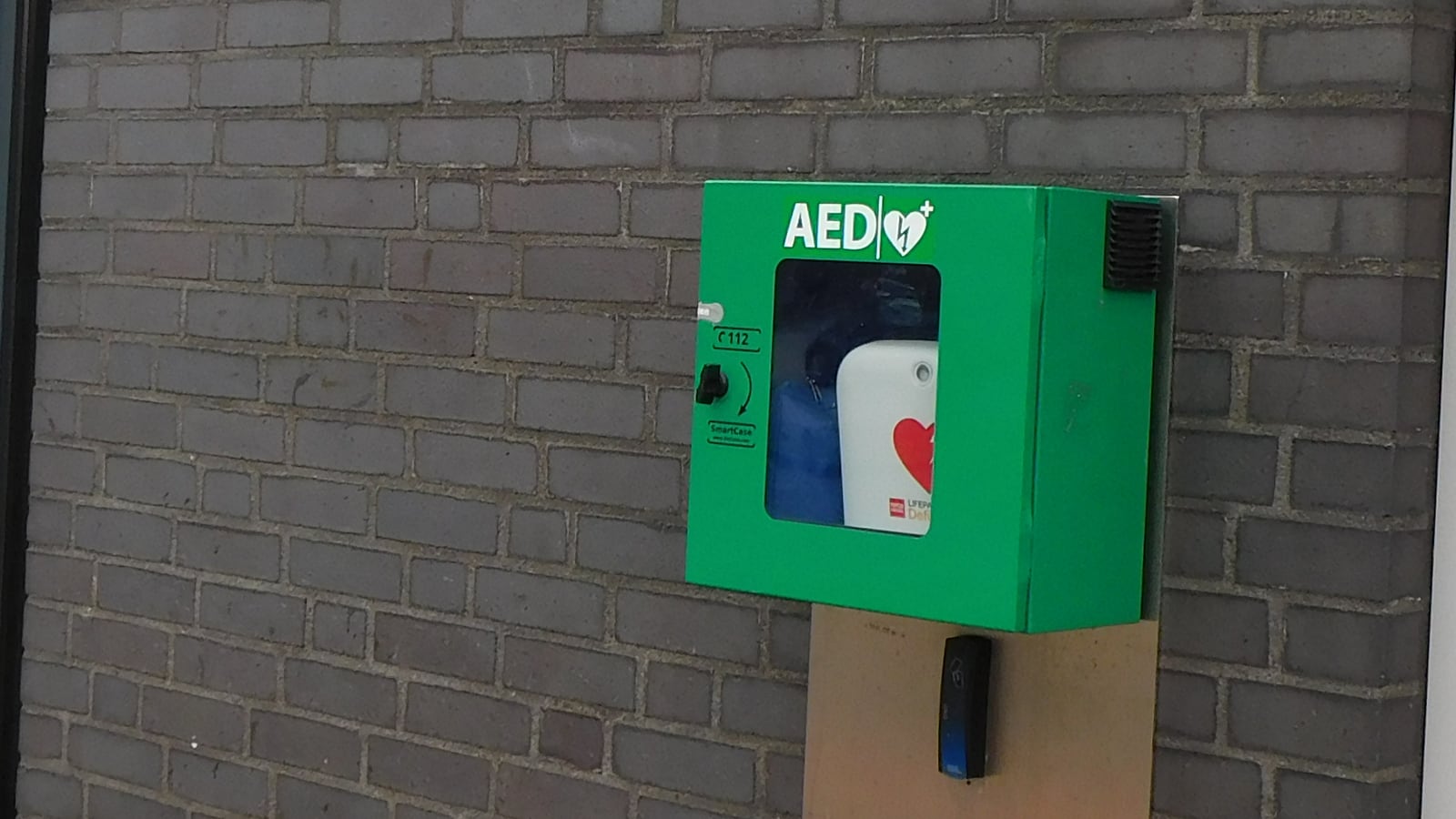
Somebody at every concert, race and street festival is there for the case nobody wants: the collapse, the allergic reaction, the fall. In Switzerland that somebody is often a Samaritan, and for a while now one of them has been me.
The training is the part people underestimate. It’s not a weekend certificate that gathers dust; it’s regular evenings of drills, scenarios and refreshers, because the whole point is that the response has to be automatic. When it’s real, you don’t rise to the occasion, you fall back on what you’ve rehearsed.
A typical assignment is a first-aid post at a public event: hours of handing out plasters and pointing people to the toilets, punctuated by moments that ask for everything you’ve trained. You learn a specific kind of calm there, the kind where your voice slows down while everything else speeds up.
Why I keep doing it
Of everything I volunteer for, this is the least glamorous and the most concrete. There is no dashboard, no metric, no announcement. Someone has a bad day in a crowd, and because a stranger trained for it, the bad day stays small. That trade still seems like one of the best returns on effort I know.
It also bleeds into the day job more than you’d expect. Production incidents and medical ones reward the same behaviour: assess before you act, say out loud what you’re doing, and never leave the patient alone.
Cover photo: a public AED cabinet in Nijmegen, CC0, via Wikimedia Commons; cropped.