Turning real stories into an AI-illustrated exhibition
A non-profit in Ticino gathers real, difficult experiences and wanted them to stay with strangers. I built the pipeline that turns each account into a short story and an image, under one rule the model couldn't break: make it readable, invent nothing. The pairs went online and onto exhibition walls.
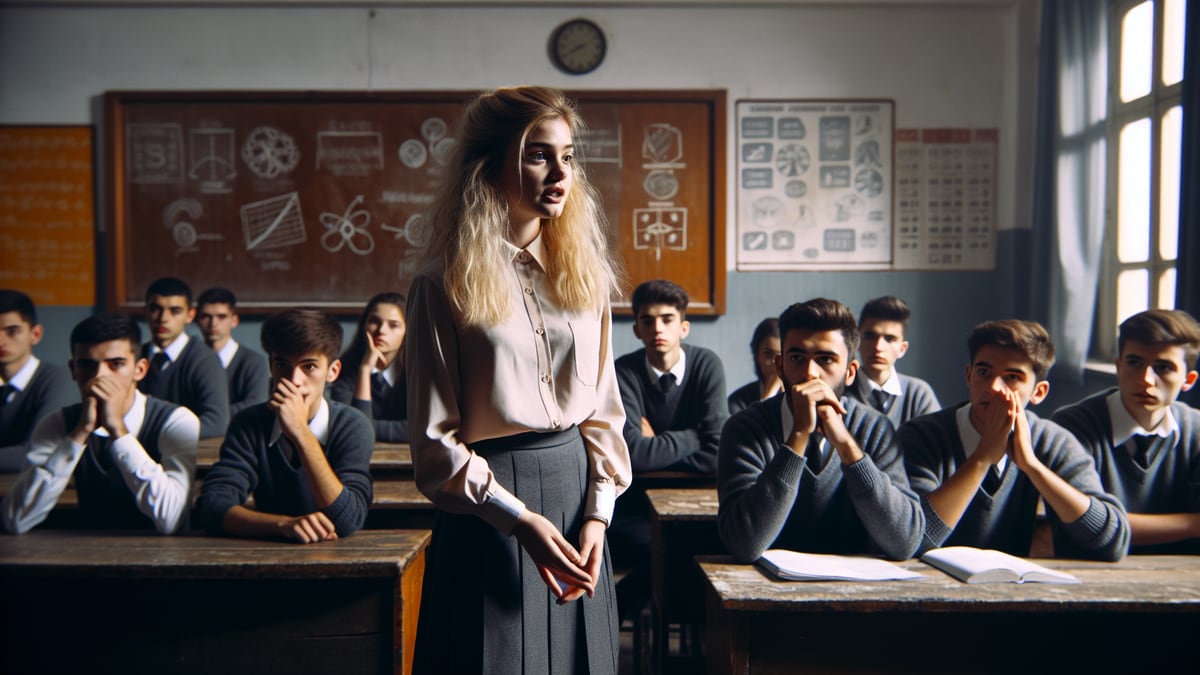
A non-profit here in Ticino gathers real, difficult experiences from people who mostly go unheard. They wanted those stories to reach strangers and stay with them, online and at exhibitions.
How it works
Someone shares what happened to them. The system rewrites the account into a short story you’d sit and read, generates an image to go with it, and packages the pair for the website and for a printed exhibition. On the wall, the image is what pulls you in; a QR code on the back opens the full story and the facts behind it.
One rule sits underneath everything: the model makes the account readable, it does not get to invent. It can turn a rough paragraph into a story; it cannot add a fact the person never told us. Most of the work went into keeping that true.
one account in, a story and a picture out
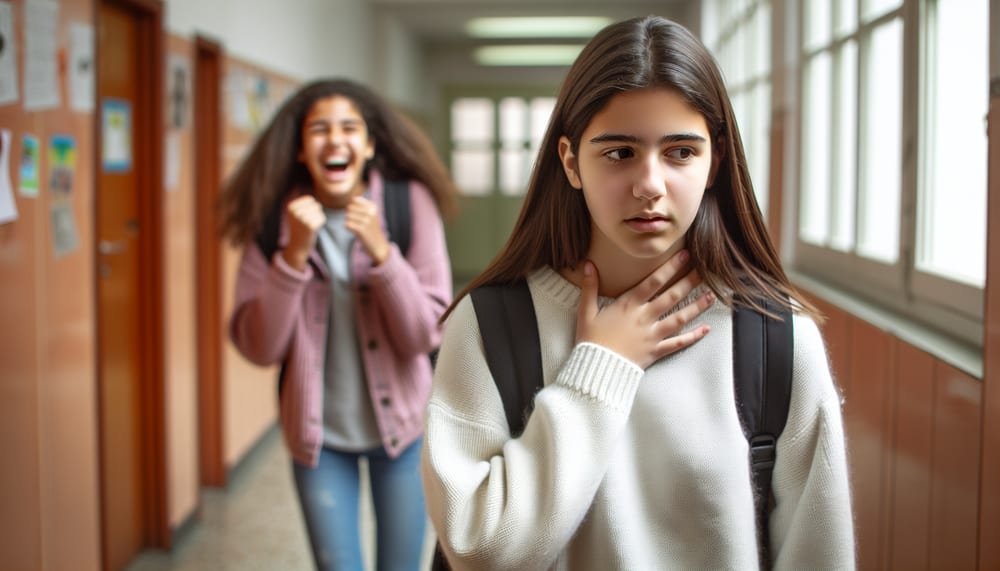
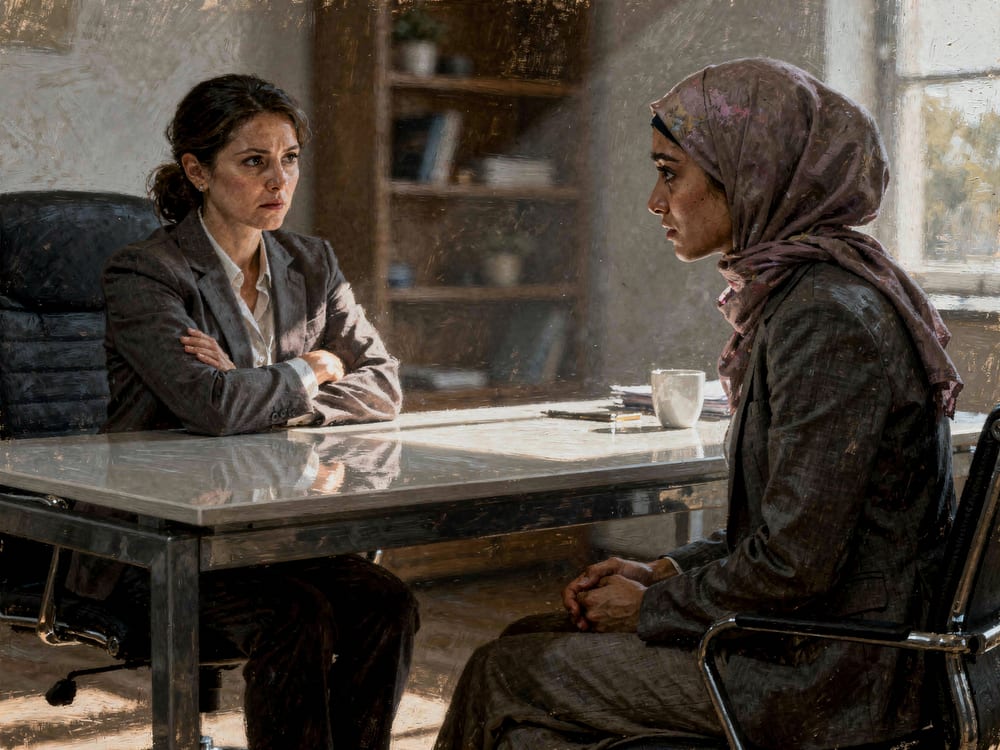
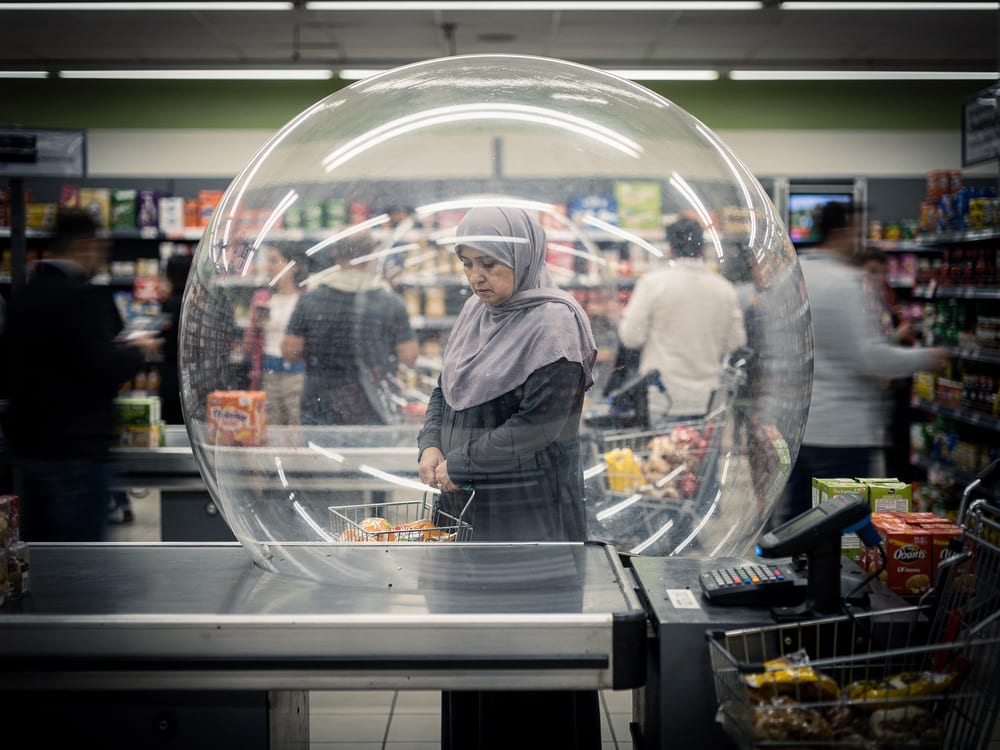

Four images the pipeline produced, one for each real account. Live at racconti-invisibili.ch.
Where it went
We collected 20 stories and published 12. The work was shown in the centre of Locarno, at “La Foce” in Lugano and at Impact Hub Ticino, and reached more than a thousand people between the site and the exhibitions. The scope here is our own canton, so that count is local, and local relevance is what we were after. Afterwards the team was invited to USI to present the project.
The reaction that stayed with me came from the storytellers themselves. Seeing their own experience turned into a picture and a story, more than one described relief, and the feeling of finally being listened to.
What I’d change
I’d call this a strong first version with a ceiling. Turning a story into an image is the right idea, and it works. The exhibition I’m less sure about. A flier that puts the image, the story and the facts straight into someone’s hands might do more than a wall they walk past. The hard technical part is done; swapping the medium is a piece of cake.
The part I think about most isn’t the code. Rewriting someone’s lived experience with a language model is a responsibility. You’re holding the hardest thing that happened to a real person, and the model will gladly polish it into something that reads beautifully and is no longer true. That was what we were most careful about.
Notes
Built pro-bono through CIPU, in 2024–2025. If I keep one idea from it: AI as a source of good, giving personal stories the kind of marketing push a product would get.